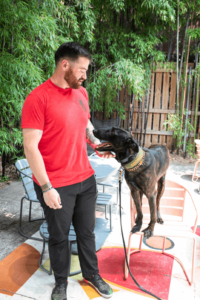
Working dogs are a different kind of partner. They are bred and trained to think, to problem solve, and to perform demanding tasks under pressure. Whether you are developing a detection prospect, preparing a dog for police or handler work, or getting into dog sport, the training has to match that ambition. If you are looking for working dog training in Raleigh, NC, you want a program built on drive, structure, and real standards. That is the foundation of the working and sport programs at Keystone K9.
This guide explains what working dog training involves, which dogs are suited for it, how our process develops raw ability into reliable performance, and why training in the Triangle keeps your dog sharp in the environments that matter.
What Working Dog Training Involves
Working dog training goes far beyond sit and stay. It develops a dog’s natural drives and channels them into precise, repeatable behavior that holds up in high distraction, high stakes settings. The exact focus depends on your goals, but the core disciplines overlap.
Common areas of working and sport development include:
- Detection foundations for scent work, including odor recognition and indication
- Obedience that stays crisp under heavy distraction and physical demand
- Tracking and searching skills for police prospects and sport titles
- Drive building and drive management so the dog stays clear headed under arousal
- Confidence work on varied surfaces, heights, and environments
The goal is a dog that is powerful and driven yet fully under control. That balance is what separates a genuine working dog from a dog that is simply high energy.
Which Dogs Are Suited for Working and Sport Programs
Working programs are demanding, and they are not the right fit for every dog. The best candidates show strong drive, resilience, good nerve, and a clear willingness to engage with a handler. Breeds developed for working roles are common in these programs, but temperament always matters more than pedigree alone.
Before we commit to a program, we assess your dog’s drives, nerve strength, and suitability for the specific path you have in mind. An honest evaluation protects your investment and makes sure the dog is set up to succeed rather than pushed into a role it is not built for. If a Raleigh area dog is better suited to a companion track, we will tell you plainly.
How We Train Working and Sport Dogs
You can see the full details of our working dog and sport programs, including detection, tracking, and sport work, on our service page.
We develop working dogs in deliberate stages so that drive and control grow together. Skipping steps produces a dog that looks impressive in easy conditions but falls apart under real pressure, so we hold each phase to a working standard.
Foundation and Engagement
Everything starts with engagement and clear communication. We build a dog that wants to work with the handler, understands reward markers, and offers focus even when the environment gets busy.
Drive and Skill Development
From there we develop the specific skills tied to your goals, whether that is detection, tracking, or sport obedience. We shape each behavior carefully, then add duration, distance, and difficulty so the skill becomes dependable.
Proofing Under Pressure
A working behavior only counts if it holds up under distraction and arousal. We proof skills against noise, movement, other dogs, and unfamiliar settings around the Raleigh and Triangle area so the dog performs when it counts, not just in the yard.
Handler Development
A working dog is only as good as the team behind it. We coach handlers on timing, reward mechanics, reading their dog, and maintaining standards so the partnership keeps improving long after formal sessions end.
Why Train in the Raleigh and Triangle Area
Working dogs need exposure to varied, realistic environments, and the Raleigh area offers exactly that. Training locally means your dog is proofed on local surfaces, in local buildings, and around local distractions rather than in an isolated facility far from where you actually work or compete.
There is also no substitute for a trainer whose standards come from real professional K9 experience. Detection, tracking, and sport work reward precision and discipline, and that mindset is built into how we run our working and sport programs from day one.
Frequently Asked Questions
How long does working dog training take?
It depends on the goal and the dog. Foundation and obedience can come together in a few months, while detection reliability or a sport title is a longer commitment. We set realistic timelines during your assessment so you know what to expect.
Do you train detection and sport dogs in Raleigh?
Yes. Our working and sport programs include detection foundations, tracking, and sport obedience, all developed to a real working standard for handlers across the Triangle.
Can my dog start working training as a puppy?
Often the earlier the better for engagement and foundation work, as long as the exercises are age appropriate. We tailor the plan to your dog’s stage and drives.
What if my dog is not suited for working roles?
We will tell you honestly. Many dogs thrive in a companion or obedience track instead, and we can point you toward the program that fits your dog best.
Build a Real Working Dog in Raleigh
If you want serious working dog training in Raleigh, NC, it starts with an honest assessment of your dog and your goals. We will evaluate your dog’s drive and suitability and lay out a clear development plan. Contact Keystone K9 today to book your consultation and start building a working partner you can rely on.