How to Find & Choose a Dog Trainer
Choosing the right dog trainer is a crucial step in ensuring your furry friend develops good behavior and obedience skills. Whether you’ve just welcomed a new puppy into your home or are dealing with an adult dog that needs some guidance, finding the best dog training classes near you is essential. This guide will walk you through the process of finding and selecting the perfect dog trainer for your needs.

Dog training is more than just teaching your pet a few tricks; it’s about building a strong bond between you and your dog. Proper training can help prevent behavioral problems, improve communication, and ensure your dog is well-behaved in various situations. Whether you’re dealing with a stubborn puppy or an adult dog with ingrained habits, professional training can make a significant difference.
Types of Dog Training Available
Puppy Training Classes
For new puppy owners, puppy training classes can be invaluable. These classes focus on socialization, basic obedience, and addressing common puppy behaviors like biting and chewing. If you’re wondering how much puppy training classes cost, prices can vary depending on the location and trainer’s expertise. On average, you might expect to pay between $100 to $200 for a series of classes.
Adult Dog Training
If you have an older dog that needs training, look for adult dog training near you. These sessions can help with specific behavior issues and reinforce obedience. The cost of these classes can vary, but generally, you can anticipate spending around $150 to $300 for a series of sessions.
Group vs. Private Training

When deciding on dog training, you’ll need to choose between group classes and private sessions. Group classes are often more affordable and provide socialization opportunities for your dog. Private training, while more expensive, offers personalized attention and can be tailored to address specific issues.
Specialized Training
Some dogs may require specialized training, such as behavior training for dogs near you. This is especially beneficial for dogs with aggression or anxiety issues. Specialized trainers often have expertise in dealing with these problems and can offer customized solutions.
Finding the Best Dog Trainer Near You
Research and Recommendations
Start your search by asking for recommendations from friends, family, or your veterinarian. Personal experiences can provide valuable insights into the effectiveness of a trainer. Additionally, you can search online for “best dog training near me” to find trainers with positive reviews.
Certifications and Experience
When evaluating potential trainers, check their certifications and experience. Look for trainers who are certified by reputable organizations, such as the Association of Professional Dog Trainers (APDT) or the International Association of Canine Professionals (IACP). These certifications indicate a level of professionalism and commitment to ongoing education.
Training Methods
Inquire about the training methods used by the trainer. Positive reinforcement techniques, which reward good behavior, are generally more effective and humane than punishment-based methods. A good trainer should be transparent about their approach and willing to adapt to your dog’s specific needs.
Observe a Class
If possible, observe a training class before committing. This allows you to see the trainer in action and assess their interaction with dogs and owners. Pay attention to how the trainer handles different situations and whether the dogs respond positively.
Understanding the Costs

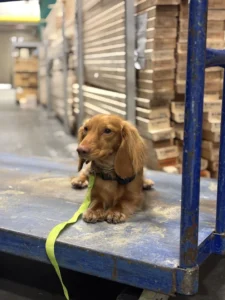
by Mahdi Bafande (https://unsplash.com/@mahdibafande)
The cost of dog training can vary widely based on factors like location, trainer experience, and the type of training. Here’s a breakdown of typical costs:
- Puppy Training Classes: $100 – $200
- Adult Dog Training: $150 – $300
- Private Training Sessions: $75 – $150 per session
- Specialized Behavior Training: $200 – $500
While training can be a significant investment, consider it an investment in your dog’s future. Proper training can prevent costly behavioral issues down the line.
What to Expect from Training
Initial Assessment
Most trainers will conduct an initial assessment to understand your dog’s behavior and training needs. This is an opportunity to discuss any specific concerns you have and set realistic goals for the training.
Consistency and Homework
Successful training requires consistency and practice outside of formal classes. Be prepared to dedicate time to reinforcing what your dog learns in training sessions. A good trainer will provide you with homework and exercises to practice at home.
Progress and Patience
Training is a gradual process, and progress may vary depending on your dog’s temperament and previous experiences. Be patient and maintain realistic expectations. Celebrate small victories along the way, and remember that consistency is key.
Final Thoughts
Finding the right dog trainer is a critical step in ensuring your pet’s well-being and happiness. By researching options, understanding the costs, and choosing a trainer who aligns with your values, you can set the stage for a successful training journey. With dedication and the right guidance, your dog can learn to be a well-behaved and happy companion.