How to find the best dog trainer for your pup
Finding the right dog trainer can make a world of difference in your pup’s behavior and your relationship with your furry friend. Whether you have a rambunctious puppy needing basic obedience or an older dog requiring specialized training, the right trainer can be a game-changer. But with so many options, how do you choose the best one?
In this comprehensive guide, we’ll walk you through the key considerations for selecting a dog trainer, the types of training available, and some tips to ensure you find the best fit for your dog’s needs.
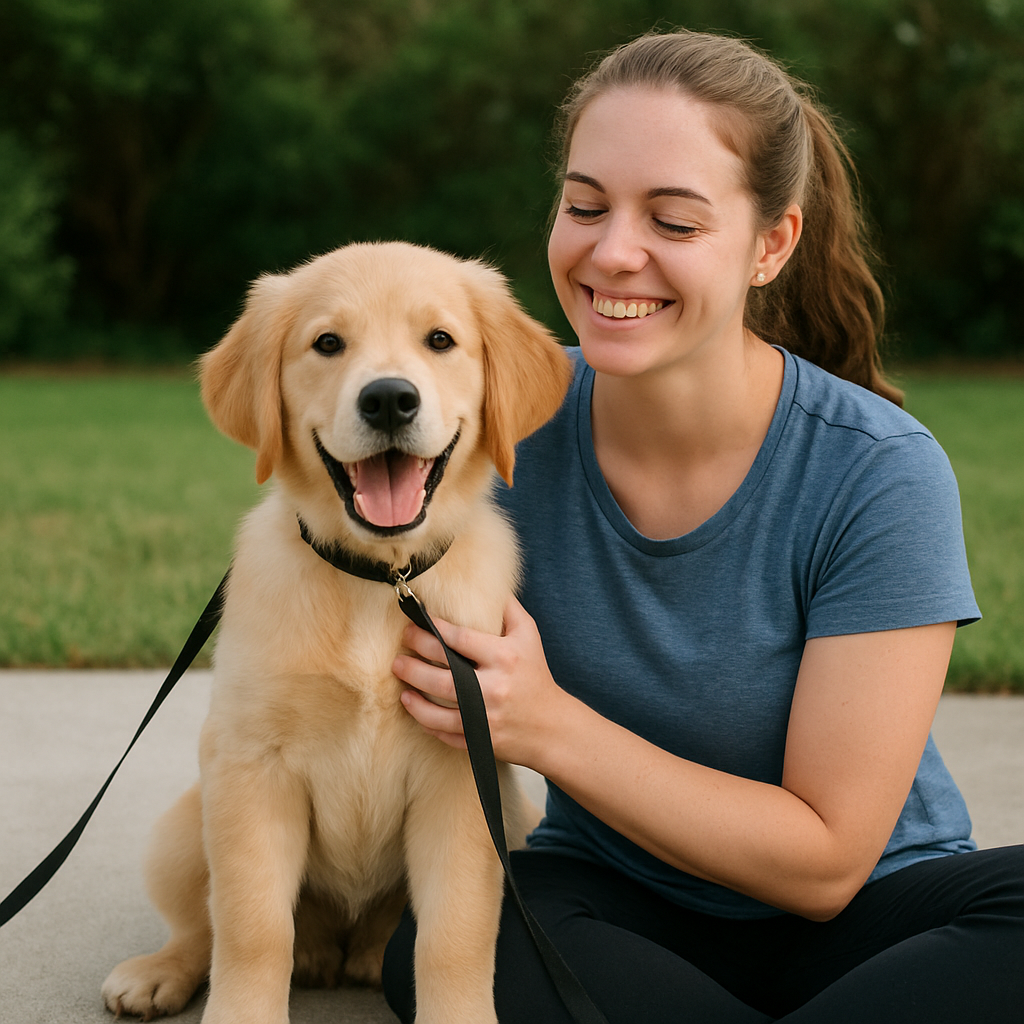
Before you start your search, it’s crucial to understand what type of training your dog needs. Are you looking for basic obedience, advanced tricks, or therapy dog training? Here are several categories to consider:
Basic Obedience Training
Basic obedience training is essential for every dog owner. It focuses on teaching your dog fundamental commands like sit, stay, and come. These are not just tricks but vital communication tools that ensure your dog behaves appropriately in different settings. Starting early with puppies or newly adopted dogs is advantageous as it sets the foundation for good behavior and helps in nurturing a strong bond between you and your pet.
In these sessions, trainers typically emphasize consistency and patience. Each dog learns at its own pace, and the goal is to make learning fun and rewarding. Positive reinforcement, such as treats and praise, is commonly used to encourage desired behaviors. This type of training also helps in addressing minor behavioral issues by instilling discipline and structure.
Moreover, basic obedience training can prevent future behavioral problems. For instance, teaching a dog to come when called can prevent them from running into dangerous situations. Thus, investing time in basic training can lead to a lifelong positive relationship with your dog.
Advanced Obedience and Trick Training
Once your dog has mastered basic commands, you might be interested in advancing their skills. Advanced obedience training includes more complex commands and can introduce fun tricks. This type of training keeps your dog mentally stimulated and enhances their problem-solving skills. It also strengthens the bond between you and your dog through continuous interaction and learning.
Trick training, such as teaching your dog to roll over or fetch specific items, can be a delightful experience for both you and your pet. It encourages creativity and can be a fun way to show off your dog’s skills to friends and family. Remember, these sessions should remain positive and enjoyable, using treats and praise to motivate your dog.
This type of training can also be practical. For instance, teaching your dog to fetch can help you retrieve items, and advanced obedience can make them more adaptable to different environments. Therefore, it is not only about fun but also about creating a well-rounded and versatile companion.
Therapy Dog Training
If you’re interested in having your dog certified as a therapy animal, specific training is required. Therapy dog training focuses on socialization and preparing your dog to provide comfort in various settings such as hospitals or schools. These dogs play a crucial role in emotional healing and stress relief for many individuals, making their training highly specialized.
Therapy dogs must possess a calm demeanor and be comfortable around various types of people, including children and the elderly. Training involves exposing them to different environments and teaching them to remain composed and gentle. It’s not just about the dog’s temperament but also about building trust and ensuring they can handle the unique demands of therapy work.
Furthermore, therapy dog training includes teaching the dog to follow specific commands that may be necessary in therapeutic settings. This type of training can be incredibly rewarding, knowing that your dog is helping improve the lives of others. It also requires a commitment to ongoing learning and assessment to maintain the dog’s suitability for therapy work.
Service Dog Training
Service dogs require specialized training to assist individuals with disabilities. This training is intensive and focuses on tasks that help with specific needs, such as guiding the visually impaired or alerting to medical conditions. Each service dog is trained to perform tasks tailored to the individual’s requirements, making their training both unique and demanding.
The process of training a service dog is rigorous and can take several months to years, depending on the tasks they need to learn. It’s crucial that these dogs are reliable, attentive, and able to perform their duties in various situations. Trainers use a combination of basic obedience, advanced commands, and specialized tasks to prepare these dogs for their roles.
Service dogs not only need to perform specific tasks but must also be socially well-adjusted. They often accompany their owners in public spaces, requiring them to behave impeccably in diverse environments. The success of a service dog’s training can significantly enhance the quality of life for the individuals they assist, making this training invaluable.
Emotional Support and Comfort Dog Training
These dogs provide emotional support and companionship. Training focuses on behavior and socialization to ensure they are calm and well-mannered in various situations. Emotional support animals (ESAs) do not require the same level of training as service dogs but still need to be well-behaved in public and at home.
The primary goal is to create a stable and comforting presence for their owners. This involves teaching the dog to be responsive to their owner’s emotional needs and remain calm in stressful situations. Socialization is key, as ESAs must be comfortable around strangers and in different environments to effectively support their owners.
Training for emotional support dogs emphasizes nurturing a strong bond between the dog and their owner. This relationship is the cornerstone of their effectiveness as support animals. While not required to perform specific tasks, their training ensures they are reliable companions who can provide comfort and alleviate anxiety or depression.
Researching Trainers
Once you’ve identified your dog’s training needs, it’s time to find a trainer. The right trainer can make a significant difference in your dog’s learning experience, so thorough research is essential.
Look for Certified Professionals
Seek out trainers who have certifications from recognized organizations such as the Certification Council for Professional Dog Trainers (CCPDT) or the International Association of Canine Professionals (IACP). Certification ensures that the trainer has met specific education and experience standards. This is a testament to their knowledge and commitment to using effective training methods.
Certified trainers are more likely to stay updated with the latest training techniques and behavioral studies. They undergo continuous education to maintain their certification, ensuring they provide the best possible service. This commitment to professional development can greatly benefit your dog’s training journey.
Furthermore, certified trainers adhere to ethical guidelines set by their certifying bodies. This means they are committed to using humane and effective training methods that prioritize the well-being of your dog. Choosing a certified professional provides peace of mind that your dog is in capable and compassionate hands.
Ask for Recommendations
Word of mouth is powerful. Ask friends, family, or your veterinarian for recommendations. Personal experiences can provide valuable insights into the trainer’s effectiveness and approach. You can also check online reviews on platforms like Google or Yelp for insights into local trainers.
Social media groups and forums dedicated to dog owners can also be excellent resources for recommendations. Engaging with these communities can provide a wealth of information from people who have been in your shoes. Their experiences can guide you to trainers who have successfully addressed similar training needs.
In addition to personal recommendations, consider attending local dog events or meetups. These can be great opportunities to network with other dog owners and gather firsthand accounts of different trainers. Building a list of potential trainers based on these interactions can help you make an informed decision.
Evaluate Their Experience
Consider how long the trainer has been working and their experience with your specific training needs. A trainer experienced in therapy dog training might not be the best fit for basic obedience, and vice versa. Ensuring the trainer has relevant experience with your dog’s specific requirements is crucial for successful training.
Look into the trainer’s background and any specializations they may have. Trainers with a diverse range of experiences may offer a broader perspective and innovative solutions to training challenges. Their experience can also indicate their ability to handle different dog breeds and temperaments.
Furthermore, inquire about the trainer’s success stories or client testimonials. Positive feedback from previous clients can provide reassurance of their expertise and effectiveness. A trainer with a proven track record of success is more likely to deliver positive results for your dog.
Types of Training Classes
Trainers offer various formats for classes. Here’s a breakdown to help you decide which might be best for you and your dog. Understanding the different types of classes can help you select one that aligns with your dog’s needs and your personal preferences.
Group Classes
Group classes are a cost-effective way to train your dog. They also provide an excellent opportunity for socialization. Dogs learn to interact with other dogs and people, which can improve their confidence and behavior in public settings. However, they may not be ideal for dogs with specific behavioral issues or those who need one-on-one attention.
In a group setting, dogs can learn from each other through observation and interaction. This environment can be stimulating and motivating, encouraging dogs to follow commands alongside their peers. Group classes often cover a range of skills, from basic obedience to advanced tricks, providing a comprehensive training experience.
Despite the benefits, it’s essential to consider your dog’s temperament. Some dogs may become overwhelmed or distracted in a group setting, hindering their progress. If your dog thrives in social environments, group classes can be an excellent choice for fostering their development.
Private Sessions
Private sessions offer personalized attention and can be tailored to your dog’s specific needs. They are particularly beneficial for training service or therapy dogs. One-on-one sessions allow the trainer to focus solely on your dog, addressing unique challenges and adapting techniques to suit your dog’s learning style.
These sessions provide a controlled environment where distractions are minimized, allowing for a more focused learning experience. Trainers can work closely with you to develop a customized training plan, ensuring that your goals and your dog’s needs are met. Private sessions are ideal for dogs requiring specialized training or those with behavioral issues.
Additionally, private sessions offer flexibility in scheduling and location. Training can take place at home or in familiar environments, making it easier for your dog to learn and apply new skills. This personalized approach can accelerate progress and produce lasting results.
Board and Train Programs
These programs involve sending your dog to stay with the trainer for intensive training. While convenient, they can be more expensive and require careful vetting to ensure your dog is in a safe, positive environment. Board and train programs are intensive and can produce significant results in a relatively short period.
During their stay, dogs receive daily training sessions, focusing on a wide range of skills and behaviors. This immersive experience allows for consistent reinforcement and practice, which can accelerate learning. These programs are particularly beneficial for dogs with complex behavioral issues or those requiring specialized training.
However, it’s crucial to research and choose a reputable program. Visit the facility, meet the trainers, and ask about their methods and daily routines. Ensuring the program aligns with your training philosophy and your dog’s needs is vital for successful outcomes.
Online Training
In today’s digital age, many trainers offer online sessions. This can be a great option for basic obedience or for those who live in remote areas without access to local trainers. Online training provides flexibility and convenience, allowing you to learn and train at your own pace.
Virtual sessions often include live demonstrations, video tutorials, and interactive feedback. Trainers can guide you through exercises and provide real-time support, ensuring you apply techniques correctly. This format is ideal for self-motivated individuals who can commit to practicing consistently with their dogs.
Additionally, online training can be more cost-effective compared to in-person sessions. It eliminates travel costs and often includes access to a wealth of resources and materials. For tech-savvy dog owners, online training offers a modern solution to traditional training methods.
Assessing the Trainer’s Methods
Understanding a trainer’s methods is crucial in determining their suitability for your dog. Different trainers use various approaches, and it’s important to choose one that aligns with your values and your dog’s temperament.
Positive Reinforcement
Look for trainers who use positive reinforcement techniques, such as treats, praise, and play. These methods are shown to be more effective and humane compared to aversive methods like shock collars or physical punishment. Positive reinforcement builds a strong bond between you and your dog, encouraging trust and cooperation.
Trainers who use positive reinforcement focus on rewarding desired behaviors rather than punishing unwanted ones. This approach fosters a positive learning environment where dogs are motivated to learn and please their owners. It also promotes long-term behavior change, as dogs associate training with positive experiences.
Moreover, positive reinforcement can improve your dog’s confidence and reduce anxiety. By focusing on encouragement and rewards, dogs become more willing to try new things and less fearful of making mistakes. This method is not only effective but also enhances the overall well-being of your dog.
Observe a Class
Before committing, ask if you can observe a class. This will give you insight into the trainer’s methods and how they interact with both dogs and owners. Observing a class allows you to see firsthand how the trainer conducts sessions and manages different dogs.
Pay attention to the trainer’s communication style and how they handle various situations. Are they patient and supportive? Do they provide clear instructions and constructive feedback? These observations can help you assess whether the trainer’s approach aligns with your expectations.
Additionally, observing a class can give you a sense of the atmosphere and dynamics of the training environment. A positive and encouraging setting is crucial for effective learning. If you feel comfortable and confident in the trainer’s abilities, it may be a good fit for you and your dog.
Meet the Trainer
Schedule a meeting with the trainer to discuss your dog’s needs and your expectations. This is a great opportunity to ask questions about their experience, training methods, and success stories. A face-to-face meeting allows you to establish a rapport with the trainer and gauge their enthusiasm and passion for their work.
During the meeting, inquire about their approach to specific training challenges and how they handle difficult situations. Their responses can provide insight into their problem-solving skills and adaptability. It’s also an opportunity to discuss your goals and ensure they align with the trainer’s expertise.
Furthermore, meeting the trainer in person can help you assess their professionalism and communication skills. A good trainer should be approachable, knowledgeable, and willing to collaborate with you throughout the training process. Trusting your instincts and feeling comfortable with the trainer is essential for a successful partnership.
Cost Considerations
Training costs can vary widely. Group classes are typically the least expensive, while private sessions and board and train programs can be more costly. Some trainers offer package deals or discounts for multiple sessions. Understanding the cost structure and what each option includes can help you make an informed decision.
Budgeting for Training
When budgeting for dog training, consider the long-term benefits of investing in quality training. A well-trained dog can improve your quality of life and reduce future expenses related to behavioral issues. Compare different training options and their costs, and weigh them against your dog’s needs and your budget.
It’s essential to factor in additional costs, such as training equipment, travel expenses, and potential follow-up sessions. Creating a comprehensive budget can help you plan and prioritize your spending. Remember, the goal is to find a balance between affordability and effective training.
Free or Low-Cost Options
If budget is a concern, look for community centers, local shelters, or rescue organizations that may offer free or low-cost training classes. These programs often rely on volunteers and donations, allowing them to provide accessible training options. Keep in mind that availability and types of classes may be limited.
These programs can be a great starting point for basic obedience training. They also offer opportunities to connect with other dog owners and participate in community events. While these options may not provide specialized training, they can still be valuable resources for enhancing your dog’s skills.
Additionally, some trainers may offer sliding scale fees or payment plans to accommodate different budgets. Don’t hesitate to discuss your financial situation with potential trainers, as they may have options to make training more affordable. The key is to explore all available resources and find a solution that works for you and your dog.

Conclusion: Making the Right Choice
Choosing the right dog trainer involves understanding your dog’s needs, researching potential trainers, and assessing their methods and experience. By investing time in finding the right fit, you’ll set the foundation for a happy, well-behaved dog and a stronger bond with your furry friend.
Whether you’re looking for “dog training near me” or specialized “service dog training classes near me,” remember that the right trainer can make all the difference. Don’t rush the process, and trust your instincts. With the right guidance, your pup will be on the path to success in no time.
Taking the time to select the best trainer ensures that your dog receives the education and support they need. A successful training experience not only enhances your dog’s behavior but also enriches the relationship you share. By being proactive and informed, you can make a choice that benefits both you and your beloved pet.