what are the perks of a service dog?
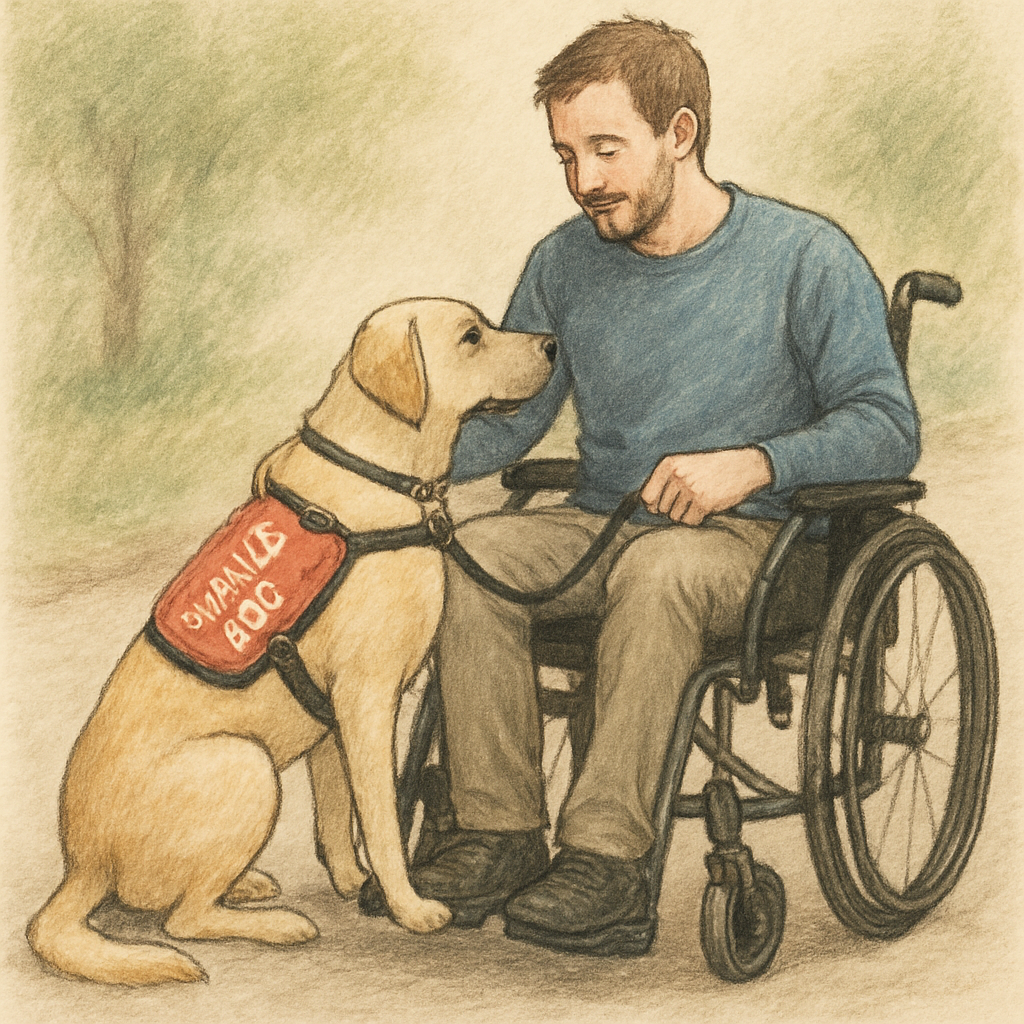
Service dogs are specially trained to perform tasks for people with disabilities. These tasks can range from guiding visually impaired individuals to alerting those with hearing impairments. They can also assist with physical disabilities, psychiatric conditions, and more. The primary goal of a service dog is to help their handler live a more independent and fulfilling life.
The training that service dogs undergo is rigorous and highly specialized, tailored to the specific needs of their future handlers. This training ensures that the dog can perform tasks reliably and consistently, providing the assistance their handler requires. Furthermore, service dogs can adapt to new tasks as the needs of their handlers evolve, making them versatile and indispensable companions.
Types of Service Dogs
There are various types of service dogs, each trained to meet specific needs. Some common categories include:
- Guide Dogs: Assist individuals who are visually impaired or blind. They help navigate obstacles, cross streets, and provide a sense of security and independence to their handlers.
- Hearing Dogs: Alert those who are deaf or hard of hearing to sounds. They can notify their handlers of doorbells, alarms, or a baby’s cry, ensuring they remain aware of their surroundings.
- Mobility Assistance Dogs: Help individuals with physical disabilities by retrieving items, opening doors, or providing balance support. They can pull wheelchairs and even help their handlers get up if they fall.
- Psychiatric Service Dogs: Aid those with mental illnesses such as PTSD, anxiety, or depression. They can interrupt harmful behaviors, provide tactile stimulation during anxiety attacks, and create a buffer in crowded spaces.
- Medical Alert Dogs: Detect changes in their handler’s condition, such as diabetic alerts or seizure alerts. These dogs can be life-saving, notifying their handlers of potential medical emergencies before they occur.
Each type of service dog is trained to cater to the unique challenges and needs of their handlers, ensuring that they can live with greater autonomy and confidence.
The Benefits of Having a Service Dog

Having a service dog comes with a multitude of benefits that can significantly improve the life of their handler. These dogs are more than just helpers; they become an integral part of their handler’s daily life, offering support in ways that are both practical and emotional. Here are some of the key perks:
Increased Independence
Service dogs empower their handlers by enabling them to perform tasks they might find challenging or impossible to do on their own. This increased independence can lead to greater self-esteem and a higher quality of life. With a service dog, individuals can engage more fully in social and professional activities, knowing they have reliable support.
Beyond basic assistance, service dogs enable their handlers to explore new environments and try activities they might have previously avoided due to their disabilities. This empowerment can lead to newfound confidence and opportunities, fostering a more active and engaged lifestyle.
Enhanced Safety
For individuals with disabilities, safety can be a primary concern. Service dogs can provide an extra layer of protection by alerting handlers to potential dangers, guiding them away from obstacles, or summoning help in emergencies. These dogs are trained to recognize hazardous situations and respond quickly, ensuring their handler’s safety.
In addition to physical safety, service dogs also contribute to emotional safety by offering reassurance and comfort in stressful situations. Their presence can be calming and grounding, reducing anxiety and providing a sense of security wherever their handlers go.
Emotional Support
While service dogs are not the same as emotional support animals, they often provide emotional benefits. Their presence can offer comfort, reduce feelings of isolation, and help alleviate symptoms of anxiety or depression. The bond between a service dog and their handler is profound, built on trust and mutual reliance.
This emotional connection can be particularly beneficial for individuals with psychiatric conditions. Service dogs can act as a soothing presence during moments of distress, helping to stabilize emotions and improve overall mental health. The companionship they provide can also ease the burden of loneliness and promote a more positive outlook on life.
Assistance with Daily Tasks
Service dogs are trained to assist with specific tasks that cater to their handler’s needs. Whether it’s retrieving medication, pressing elevator buttons, or providing stability while walking, these dogs help simplify daily routines. This assistance allows handlers to navigate their day with more ease and efficiency.
Moreover, service dogs can adapt to new tasks as their handler’s needs change over time. This adaptability ensures that they remain a valuable and relevant part of their handler’s life, continually providing the support needed to manage daily challenges.
Companionship
The companionship of a service dog can be immensely beneficial. Their constant presence can be a source of comfort and companionship, reducing loneliness and fostering a sense of connection. For many handlers, their service dog becomes a trusted friend and confidant.
The unconditional love and loyalty of a service dog can have a profound impact on their handler’s emotional well-being. This companionship often extends beyond the practical assistance they provide, enriching their handler’s life with joy, laughter, and shared experiences.
How to Obtain a Service Dog

by Nikhil Pillai (https://unsplash.com/@nkhill)
If you’re considering getting a service dog, there are several steps you need to follow to ensure you choose the right companion and receive the proper training. Understanding these steps can help streamline the process and ensure that you find a service dog that meets your unique needs.
Determine Your Needs
The first step is to assess your specific needs and how a service dog could assist you. Consider the tasks you need help with and the type of service dog that would best meet those needs, such as a psychiatric service dog or a mobility assistance dog. This assessment will guide you in selecting a dog that is capable of providing the most effective support.
It’s also important to consult with healthcare professionals who can offer insights into how a service dog might benefit you. Their expertise can help you identify the specific tasks a service dog should be trained for, ensuring you receive the right assistance for your particular circumstances.
Certification and Training
While there is no official “psd certification” for service dogs, training is crucial. Service dogs must undergo rigorous training to ensure they can perform the necessary tasks reliably. Look for reputable organizations that specialize in training service dogs for your specific needs. These organizations can provide guidance on the training process and help match you with a suitable dog.
In addition to professional training, handlers may need to participate in training sessions to learn how to effectively work with their service dog. This collaborative approach ensures that both the handler and the dog can operate as a cohesive team, maximizing the benefits of their partnership.
Application Process
To apply for a service dog, you typically need to go through an application process with a service dog organization. This process can include providing medical documentation, demonstrating the need for a service dog, and undergoing interviews. The organization will assess your situation to determine if you qualify for a service dog and what type would best suit your needs.
The application process may also involve a waiting period, as service dogs require extensive training before they are ready to be placed with a handler. During this time, maintaining open communication with the organization can help ensure a smooth transition once a suitable dog is available.
Training Your Own Dog
If you prefer, you can train your own dog to become a service dog. However, this requires extensive knowledge of training techniques and a deep understanding of the tasks your dog needs to perform. Professional trainers can assist in this process, offering support and expertise to help you achieve the desired training outcomes.
Training your own dog can be a rewarding experience, allowing you to form a strong bond with your animal from the start. However, it’s important to be aware of the challenges and time commitment involved in this undertaking to ensure successful results.
Financial Considerations
Service dogs can be expensive due to their specialized training. Some organizations offer financial assistance or grants to help cover the costs. It’s essential to research and explore all available options to make obtaining a service dog more affordable. Understanding the financial aspects can help you plan and budget for the associated expenses.
Additionally, some insurance plans may offer coverage for service dogs or related services. Investigating these options can provide further financial relief, making the acquisition of a service dog more accessible to those who need them.
Service Dogs for Mental Health
Individuals with mental health conditions, such as anxiety, depression, or PTSD, can greatly benefit from psychiatric service dogs. These dogs are trained to perform tasks that help mitigate symptoms and provide support. Their assistance can be transformative, offering a sense of stability and predictability in the lives of their handlers.
How to Get a Psychiatric Service Dog
To obtain a psychiatric service dog, you’ll need to demonstrate a need for the dog and identify the specific tasks the dog will perform. Consulting with a mental health professional can help you determine if a service dog is a suitable option and provide necessary documentation. This consultation can ensure that you receive a dog trained to meet your particular mental health needs.
Organizations that specialize in psychiatric service dogs often have specific criteria for applicants. Understanding these criteria and preparing the necessary documentation can streamline the application process and increase your chances of successfully obtaining a dog.
Service Dogs for Anxiety and Depression
Service dogs can help individuals with anxiety and depression by providing grounding during panic attacks, reminding them to take medication, or interrupting harmful behaviors. Their presence can be a source of comfort and stability. These dogs offer non-judgmental companionship, helping to alleviate feelings of isolation and despair.
The impact of a service dog on mental health can be profound, offering a sense of purpose and routine. Their consistent presence can encourage positive behavioral changes and provide motivation, contributing to a more balanced and fulfilling life for their handlers.
Conclusion
Service dogs offer numerous perks that can significantly enhance the lives of individuals with disabilities. From increased independence and safety to emotional support and companionship, these remarkable animals play a vital role in their handler’s well-being. Their impact extends beyond the practical tasks they perform, enriching their handler’s life with joy, comfort, and stability.
If you’re considering a service dog, assess your needs, explore training options, and understand the application process to find the perfect companion that will help you lead a more independent and fulfilling life. By doing so, you can ensure that you select a service dog that aligns with your specific requirements and circumstances.
By understanding the benefits and the process of obtaining a service dog, you can make an informed decision that will positively impact your life and well-being. Embracing the support of a service dog can open up new possibilities, fostering a sense of empowerment and enhancing your overall quality of life.